
Youth Driver Safety in Ontario
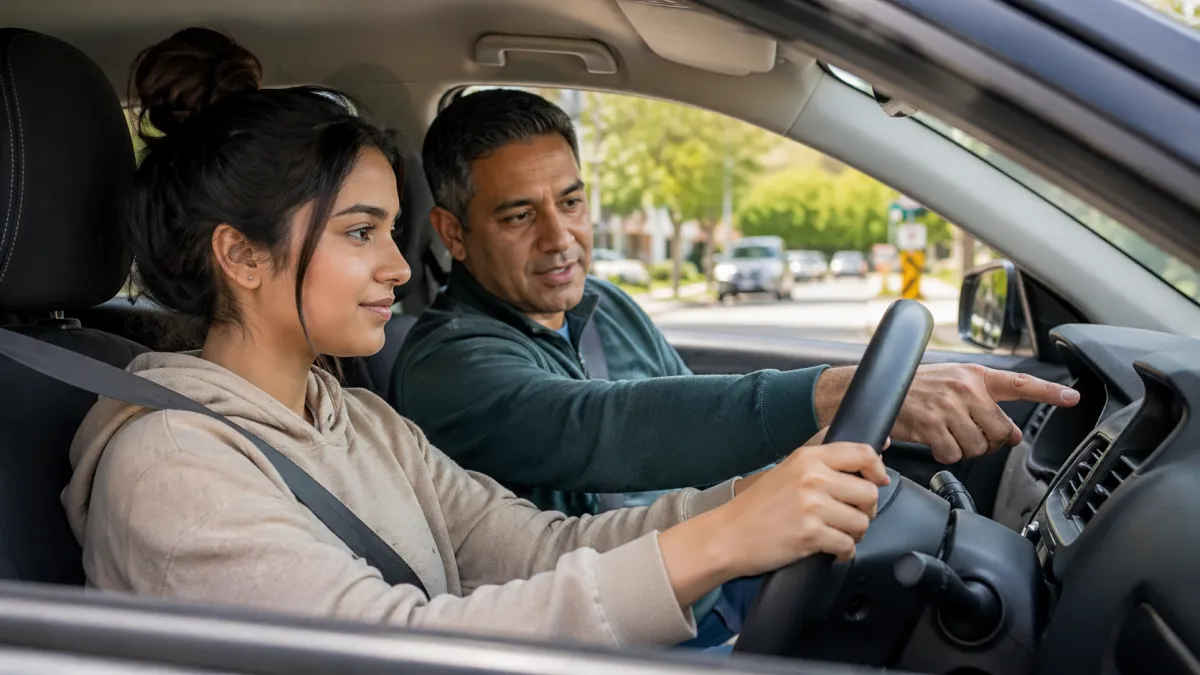
A teen getting a licence feels like freedom. For parents, it feels like stress. That stress is not irrational. It is math. New drivers have less experience. Less experience means weaker judgment under pressure. Ontario’s graduated licensing system sets a structure, but structure is not the same as skill.
The biggest gap is this. Many teens can follow rules when everything is calm. Real driving is not calm. Real driving includes impatient drivers, sudden lane changes, rain that turns to freezing rain, and short on ramps that require a confident merge. Youth driver safety comes down to preparation that happens before the first solo drive.
The Problem
Most teen drivers learn driving as a task. Turn here. Stop there. Signal. Mirror. That is fine at the start. The danger is when the teen believes that doing the steps equals safety. It does not. Safety comes from reading risk early and making decisions before the situation becomes urgent.
Teens also drive in a different social environment. Phones pull attention constantly. Friends in the passenger seat add pressure. Music, group chats, and the desire to keep up with traffic all compete with good judgment. A teen may know a rule and still break it because the moment feels small.
If you want safer teen drivers, you need a system. Clear rules. A practice plan. Measurable milestones. And honest conversations that make safety normal.
The risks
The most common youth driving risks are not rare. They are daily events.
First, following too close. It feels normal to a teen because everyone does it. It is still dangerous. A short gap removes time to react, and teens need more reaction time than experienced drivers.
Second, left turns and intersections. Teens often misjudge speed and distance of oncoming cars. They also rush when
someone behind them honks. That pressure leads to bad choices.
Third, lane changes. Many new drivers check mirrors but skip the blind spot check, or they do it too quickly to actually see. That mistake causes side swipes and near misses.
Fourth, speed. Not just speeding on purpose. Speeding because the driver fails to notice how quickly they are moving. Or speeding because they are trying to match traffic without understanding safe spacing.
Fifth, distraction. A glance at a phone is enough to miss a brake light. A short reply at a red light often turns into rolling forward with eyes down. Distraction is the fastest way to turn a normal drive into a crash.
Sixth, night driving and bad weather. Visibility drops at night. Contrast drops in rain. Stopping distance grows in snow. Teens tend to learn in mild conditions and then suddenly face harsh conditions alone.
Tips that work
The goal is not to scare your teen. The goal is to give them tools.
Tip 1: Create family rules before the first drive
Do not wait for a close call. Decide your rules now. Put them on one page. Keep them simple.
Start with rules that directly cut risk:
1- Phone stays out of reach while driving.
2- No passengers for a set period, or limit to one passenger at a time.
3- No highway driving alone until supervised highway practice is completed.
4- No driving in snow until a supervised winter skills session is done.
5- Seatbelt for everyone, every trip, no exceptions.
Then explain why. Not with a lecture. With one sentence. “This is how you build skill without stacking risk.”
Tip 2: Teach scanning and timing, not just control
Many teens can steer and brake. They struggle with noticing what matters early.
Teach a simple scanning pattern. Look far ahead. Then mirrors. Then far ahead again. Repeat. The teen should say out loud what they see for a few practice drives. “Car braking ahead.” “Pedestrian near the curb.” “Light may change.” When they can narrate risks, they are actually seeing.
Teach timing at intersections. A teen should pause, scan, then move. Rushing creates mistakes. A steady rhythm creates safety.
Tip 3: Make space the main habit
Space buys time. Time prevents panic decisions.
Practice a following distance rule in real driving. Pick a sign the car ahead passes. Count seconds until you pass it. In clear conditions, build a three to four second gap. In rain, snow, and darkness, build a six second gap.
Teens will push back because it feels slow. Remind them that the goal is not to win traffic. The goal is to arrive without a crash.
Tip 4: Build highway skill in steps
Highway driving is a skill. Treat it like training.
Start with ramp to ramp practice. One exit. Then repeat. The teen learns merging without added complexity.
Next, teach speed matching. The teen should merge at the speed of traffic when possible. Merging slowly creates danger.
Then teach lane discipline. Stay right unless passing. Leave space. Avoid weaving. The teen should learn that quick lane changes are often a sign of poor planning.
Finally, teach exits early. New drivers wait too long, then cut across lanes. Teach them to plan exits well ahead and accept missing an exit rather than making a risky move.
Tip 5: Train for weather before weather happens
In Ontario, winter is not a surprise. Make winter training a planned session.
Choose a safe area like an empty parking lot when conditions allow. Teach gentle braking so they feel ABS. Teach gentle turns so they feel traction limits. Teach what a skid feels like and how to respond calmly.
Then give them a permission rule. If the weather is too harsh, they call you. No punishment. Safety wins.
Solutions from Drive Safe Foundation
Drive Safe Foundation supports youth driver safety in Brantford and across Southern Ontario. Teens here face real conditions fast, busy multi lane roads, short merges, and winter weather that changes traction in seconds. If your teen is driving near Highway 403, King George Road, Wayne Gretzky Parkway, or busy school zones, they need more than the minimum licensing steps. Our road safety literacy approach helps teens build judgment, space habits, and calm decision making. Contact DriveSafeFoundation.org to bring a parent and teen session to your school or community group in Brantford.
Related Article: Senior Driver Safety in Ontario
Drive Safe Foundation is a non-for-profit, independent educational organization. All programs and resources are provided free of charge. We do not receive commissions or referral fees from driving schools or insurance providers.
Contact Us
Safdar Ali
Executive Director
Drive Safe Foundation
66 Wilkes StreetBrantford, Ontario N3T 0H7, Canada
Reach out to Drive Safe Foundation to find out how can we support you.
Drive Safe Foundation is a registered Ontario Non-Profit (Corp. No. 1001479596)