
Senior Driver Safety in Ontario
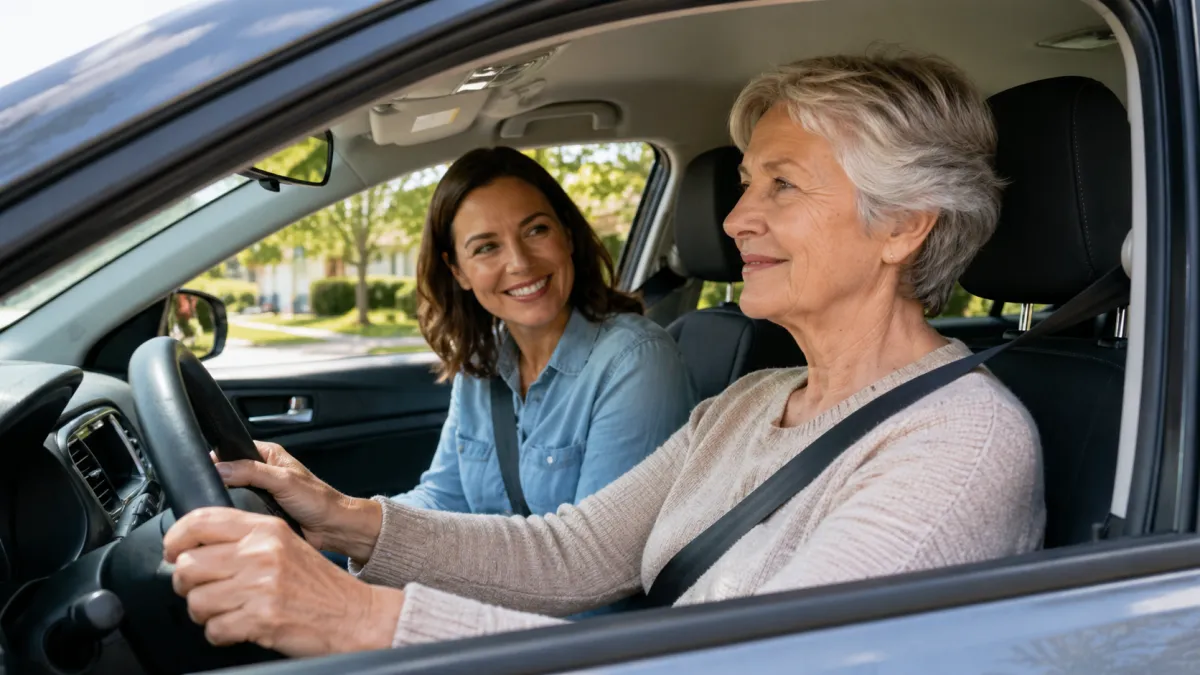
Driving is independence. For many seniors, it is also dignity. The goal is not to take driving away. The goal is to keep driving safe for as long as possible through smart adjustments and honest refreshers.
Senior driver safety is not about age as a label. It is about changes that can happen over time. Vision can change. Reaction time can change. Neck mobility can change. Medication can affect alertness. Roads can also change. Traffic volume, speed, and intersection design have all evolved. A safe senior driver is usually a driver who adapts.
The Problem
Many seniors have decades of experience. That experience is valuable, but it can also create blind spots. Driving habits that worked in the past may not work as well today. A senior may rely on routine routes and avoid anything that feels stressful. That can be smart. The problem starts when avoidance hides a skill gap, and then a surprise situation happens.
Another problem is confidence. Some seniors lose confidence after one close call. When confidence drops, people can over brake, hesitate at merges, and make sudden decisions at the last second. That creates risk.
Families also struggle with how to talk about it. They either avoid the topic or push too hard. The best approach is respect plus a plan.
The risks
Senior driver risks tend to cluster around a few situations.
Intersections and left turns are a major risk. Judging oncoming speed requires strong vision and timing. If reaction time is slower, the margin for error shrinks.
Merging is another risk. Short on ramps and fast traffic require speed matching and decisive movement. Hesitation can create conflict with surrounding cars.
Night driving is a common risk due to glare and reduced contrast. Headlights from newer vehicles can feel intense. Wet roads reflect light and reduce visibility further.
Bad weather increases risk. Rain reduces traction. Snow reduces traction more. Ice removes traction almost completely. Even experienced drivers can struggle in these conditions.
Distraction also matters. Phones, navigation, and loud passengers affect everyone, but seniors may be more affected because they need more focus for some driving tasks.
Tips that work
The best tips are practical and respectful.
Tip 1: Drive a safer schedule
Encourage driving in daylight where possible. Encourage avoiding heavy rush hour traffic if it causes stress. Encourage avoiding bad weather when conditions are clearly unsafe. This is not weakness. It is smart risk management.
Tip 2: Use route planning that reduces complexity
Many routes can be made safer with small changes. Choose routes with fewer complex left turns. Choose routes with protected turns where possible. Choose routes with familiar landmarks. Avoid high stress intersections.
If the senior uses navigation, set it before moving. Avoid changing it while driving.
Tip 3: Increase following distance
A larger gap gives a senior more time to respond. Teach a simple rule. Three to four seconds in clear conditions. Six seconds in poor conditions. If a tailgater appears, stay calm, keep your space, and let them pass when safe.
Tip 4: Improve the vehicle setup
Small changes help. Adjust mirrors to reduce blind spots. Keep the windshield clean inside and outside. Keep headlights clear. Adjust seat height for visibility. Ensure the steering wheel position allows full control without strain.
If possible, use modern safety features. Blind spot alerts and backup cameras help, but they do not replace scanning and turning the head.
Tip 5: Do a driving refresher with a calm coach
A refresher is not a test. It is a tune up. It builds confidence by replacing anxiety with skills.
Focus on key situations. Intersections. Left turns. Lane changes. Parking. Merging. Night driving if needed. One skill at a time. No criticism. Just coaching.
Tip 6: Align driving safety with health support
Encourage seniors to keep vision prescriptions up to date. Encourage reviewing medications that may cause drowsiness or slower reaction time. Encourage mobility work that improves neck turning and comfort. A senior who is comfortable in the seat makes better decisions. Discomfort creates distraction.
Solutions from Drive Safe Foundation
Senior driver safety matters in Brantford and Southern Ontario because roads are busy and intersections can be complex. Many older drivers travel between Brantford, Hamilton, Cambridge, and nearby communities using routes that connect to Highway 403. A simple refresher can improve confidence with merges, lane changes, and left turns. Drive Safe Foundation delivers road safety literacy education that respects independence and focuses on practical adjustments. We work with senior groups, community centres, and local organizations in Ontario. Contact DriveSafeFoundation.org to schedule a senior driver safety session in Brantford.
Related Article: Ontario New Driver Guide

Drive Safe Foundation is a non-for-profit, independent educational organization. All programs and resources are provided free of charge. We do not receive commissions or referral fees from driving schools or insurance providers.
Contact Us
Safdar Ali
Executive Director
Drive Safe Foundation
66 Wilkes StreetBrantford, Ontario N3T 0H7, Canada
Reach out to Drive Safe Foundation to find out how can we support you.
Drive Safe Foundation is a registered Ontario Non-Profit (Corp. No. 1001479596)